
Uncategorized
Exploring Vietnam: Strange Customs and Dishes

Mar
Exploring Vietnam: Strange Customs and Dishes
Vietnam, with its history of occupation by China, France and the US, has maintained many unique cultural customs. Here are some of the strangest things you’ll see while exploring Vietnam, from Pajama fashion to weasel coffee and eating porcupines.
.
1.Vietnamese ancient costumes
Vietnamese ancient costume, also known as traditional ao dai, is the traditional costume of Vietnamese people. Ao Dai is an outfit consisting of a shirt and skirt, usually made from soft fabrics such as silk, velvet, or rough fabric. It has a slim, body-hugging style and usually reaches the ankles.
Ao Dai reflects the elegance, tradition and sophistication of Vietnamese women. It is often worn on special occasions such as weddings, traditional festivals, important events and parties. Ao Dai has many different variations depending on the region and can also be customized according to personal preferences.
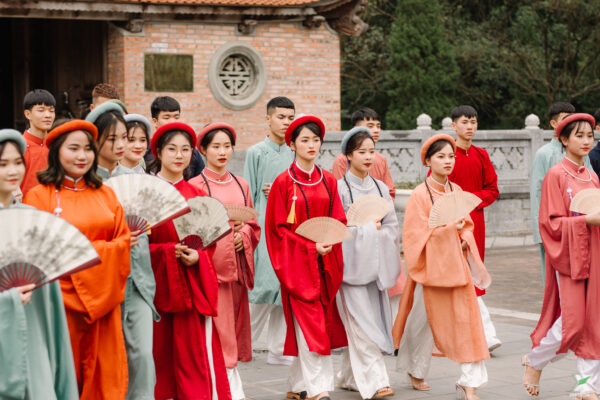
In addition to ao dai, other traditional Vietnamese costumes include:
-
Four-piece ao dai: This is a traditional ao dai for men. The four-piece shirt consists of 4 pieces of fabric that hug the body, usually sewn from silk or rough fabric
-
Ao dai: This is a traditional men’s ao dai, with a high collar and simple design. Usually made from silk or rough fabric.
-
Non La: Non La is a traditional symbol of Vietnamese people. It is made from banana leaves or coconut leaves and has a characteristic shape.
-
Scarf: This is a traditional scarf that Vietnamese women often wear on their heads. Towels are usually made from soft fabric, with many patterns and bright colors.
Traditional Vietnamese costumes carry great cultural value. It is a combination of elegance, beauty and pride in national traditions and history.
2. Weasel coffee
Vietnam is the world’s second largest coffee exporter, but most of the goods traded are cheap ready-to-drink products. However, domestically, high-quality, concentrated filter coffee is everywhere. The highlight is the disgusting-sounding Weasel coffee, coffee made from weasel feces.
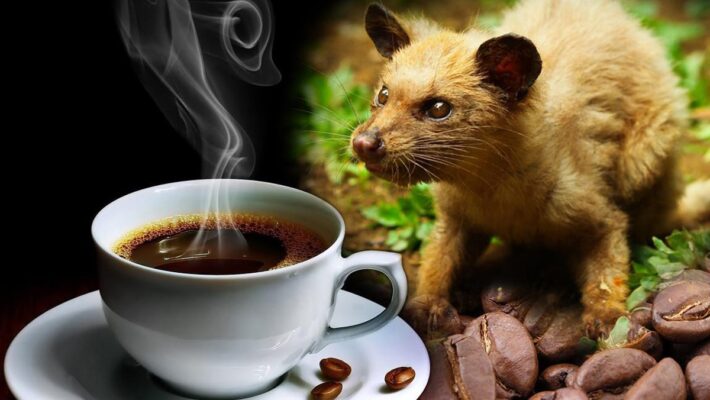
Weasels eat cherries that contain coffee beans, and they have a natural tendency to choose only the ripest, tastiest berries. The berries are digested, but the beans remain intact on the other side, transformed with a new, richer flavor. After drying and cleaning (phew), the coffee beans are then roasted to create some of the best coffee in the world. It is extremely rich, it has a chocolate taste and a strong gunpowder smell. It’s also ridiculously expensive – 100g costs around US$90, but at the farms you can buy a cup for just US$2.75.
3. Snake
Although eating snake meat is a tourist promotion in Vietnam, it is still a popular local dish, so don’t be surprised if you spot a few locals in a rural town Quiet is killing a snake right in the middle of the road and taking its poison and blood.
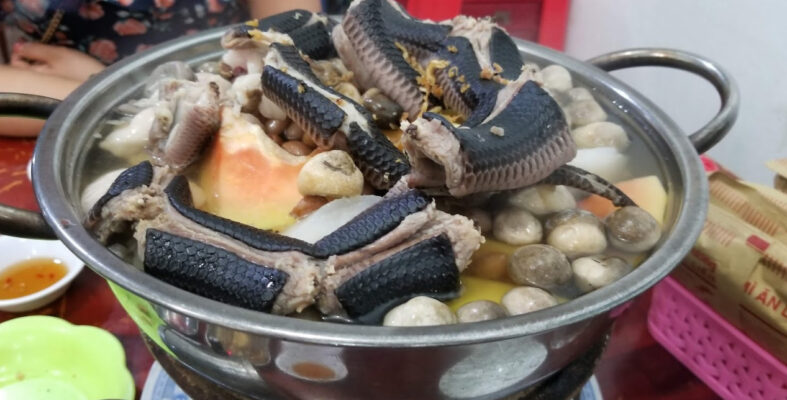
The extraction method appears to be quite brutal: the snake’s head is tied to a noose and then killed with a slash to the neck. The dangling tail is cut off and the snake’s blood is dripped into a rice wine jar to create “snake wine”. The still beating heart is then cut out and drunk with wine.
4.Cricket farm
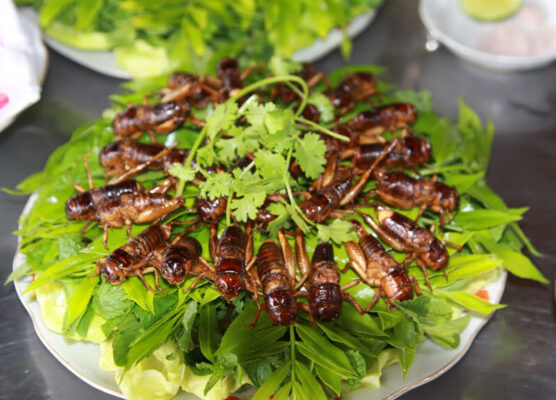
Fried crickets are popular to sip with a few beers in Vietnam, and they are a common feature of parties, along with fried worms. At cricket farms in the Da Lat area, thousands of spindly little crickets are kept in egg boxes, tied with sugarcane branches to keep warm.
Once fried, the crickets are actually surprisingly flavorful and meaty, and if you can get over the disgust of what you’re eating, they’re quite delicious.
5.Wear and eat silkworms
It seems strange that the world’s most beautiful natural fibers come from worms. However, witnessing firsthand the age-old process of extracting silk from mulberry larvae in the highlands of Vietnam was an unexpectedly interesting experience. The smooth white silkworm cocoons are boiled in large vats to kill the larvae inside. The women catch white silk threads that fly out of cocoons and attach them to a spinning reel on a machine that unwinds the delicate threads.
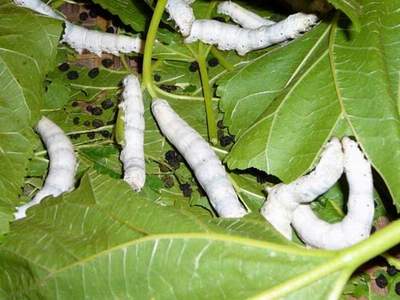
They are carefully wound onto the reel and finally woven on the loom into beautiful fabrics. The boiled worms are then removed from their cocoons and in typical Vietnamese fashion, they are fried and eaten. The outside is crispy and slightly tangy, while the inside is a strange gooey texture with a mild but slightly nauseating flavor.

6.Smoking “Thuốc lào”
In Northern Vietnam, it is common to see a large bamboo pipe, also known as a plow pipe (literally “farmer’s pipe”) being passed around after meals, this pipe is smoked for the purpose of aiding digestion. chemistry. Roadside eateries, especially in Hanoi, often have one that customers can go to on their own.
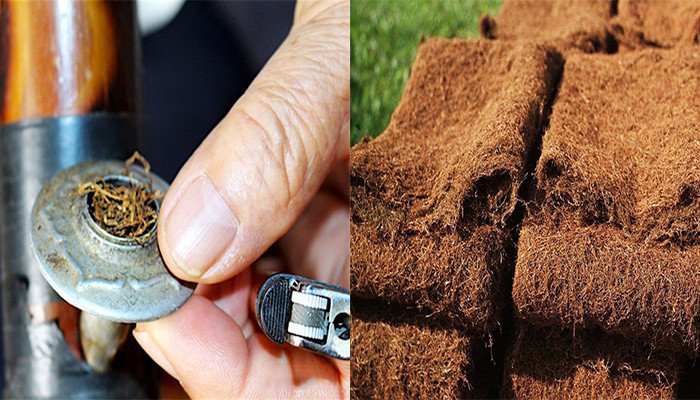
Inside the water pipe is a very strong form of tobacco that makes even the heaviest regular cigarette smoker reel, heart beat fast, and hands shake. The high amount of nicotine pumped into the bloodstream combined with heavy smoking can cause new smokers to vomit. You might prefer just drinking free green tea rather than getting vommit runk from smoking a pipe.
7.Religious beliefs
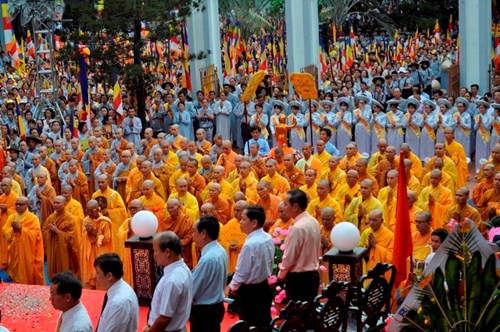
Buddhism is one of the major and popular religions in Vietnam, having a profound influence on the spiritual and cultural life of the people. Below is some information about Buddhist beliefs in Vietnam:
-
Buddhists: People who follow Buddhism are called Buddhists. They respect and practice according to the principles and teachings of the Buddha.
-
Temples and pagodas: Temples and pagodas are sacred places where Buddhists come to pray, practice and practice. Vietnam has many famous historical temples and pagodas such as One Pillar Pagoda, Perfume Pagoda, Tran Quoc Pagoda, Bai Dinh Pagoda and many other places.
-
Buddha Ceremony: During the year, Buddhists often organize ceremonies to celebrate the birth, nunnery and generosity of Buddha such as Buddha’s Birthday, Vu Lan Ceremony, Road Pedaling Ceremony, Ky Son Ceremony and Mid-Autumn Festival.
-
Practice: Practice in Buddhism is the process of spiritual training and enlightenment. Buddhists often practice meditation, practice morality, and keep principles such as not killing, not eating meat, not drinking alcohol, and not lying.
-
Charity: The principle of charity and helping others is an important part of Buddhism. Buddhists often perform charity work such as helping the poor, building charity facilities and carrying out humanitarian activities.
-
Nuns and nuns: Nuns and nuns are women who have participated in practice life in Buddhism. They often live in monasteries and temples and spend their lives studying, practicing and serving the community.
-
Spiritual events: In addition to daily celebrations and activities, Buddhism also organizes events Great spirituality such as pilgrimages, great ceremonies and retreats to guide and spread Buddha’s teachings.
Exploring Vietnam: Strange Customs and Dishes
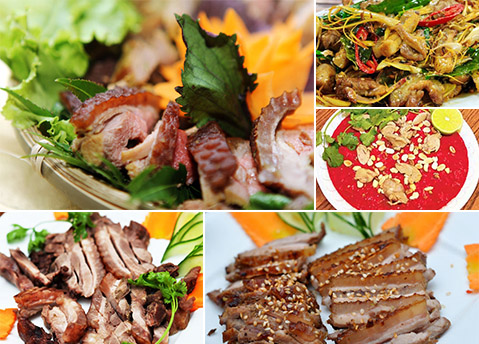
8.Eat porcupine meat
Vietnamese people are famous for eating unusual meats that are controversial to foreign tastes, such as dog meat, balut, crocodile, turtle and hamster. Therefore, it is not surprising that hedgehogs, despite their unattractive appearance, are high on the list of strange yet popular dishes on the menu.
When the spines are removed, they look even less attractive, the skin is rough and rough, but the meat is sweet and fragrant, with a taste comparable to that of a duck. Farmed porcupines are expensive, about 30 USD/kg. It’s best to avoid suspiciously cheap ones, as they may have been killed illegally in the wild.




Hi, this is a comment.
To get started with moderating, editing, and deleting comments, please visit the Comments screen in the dashboard.
Commenter avatars come from Gravatar.